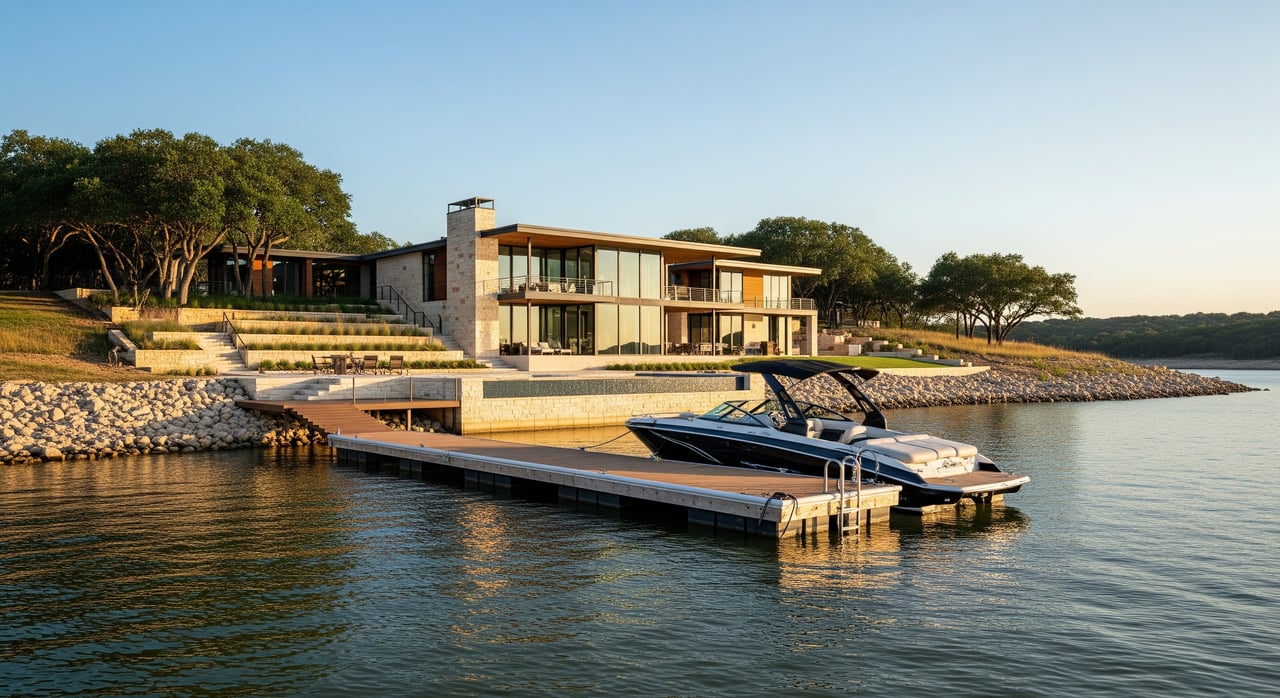
Dreaming of coffee on the porch with calm water views and weekend boat rides just minutes away? If you are considering a home near Gun Barrel City on Cedar Creek Reservoir, you are not alone. Many buyers are drawn to the lake lifestyle, whether for a permanent move, a weekend retreat, or an investment. This guide walks you through what matters most, from property types and value drivers to permits, utilities, and due diligence. Let’s dive in.
Cedar Creek lifestyle basics
Cedar Creek Reservoir is a hub for boating, fishing, water sports, and lakeside parks. The recreation scene shapes local demand, so activity often picks up on weekends and during peak seasons. Some households use the area as a second-home getaway, while others have moved full-time thanks to flexible work. If you plan to commute, Gun Barrel City is within driving distance of the Dallas–Fort Worth area, but you should test your route and timing to confirm it works for your schedule.
Property types explained
- Lakefront: Direct water access, often with a private dock or pier. These properties typically command the highest premiums.
- Lake-view or near-lake: Water views or short access to the shore via a walk or quick drive. Prices vary based on view quality, proximity, and neighborhood rules.
- Inland homes and country properties: More land and privacy away from the shoreline, often at lower prices than waterfront.
- Vacant lots: Can be compelling, but budget for dock, seawall, utilities, and septic or well if needed.
Value drivers and costs
Waterfront location is a major price driver. Unobstructed views, direct water access, and dock ownership can add value. Shoreline condition matters too. Erosion control, seawalls, riprap, and the state of any dock or boathouse affect both marketability and long-term costs.
Utilities and infrastructure are key. City water and sewer can be a plus, while well and septic require inspection and maintenance. Local property taxes, HOA rules, deed restrictions, and any special assessments will impact your carrying costs. Buyers should verify these items using Henderson County appraisal records and local taxing entities.
Seasonality and daily living
Expect a livelier scene in peak recreation months, especially around marinas and public ramps. Weekdays and off-season periods are usually quieter. Plan how you will use the home season to season, including yard and shoreline upkeep. If you enjoy hosting, consider guest parking and boat trailer space during busy weekends.
Permits and rules to check
Local rules vary by location and shoreline. Before you buy or build, confirm what permits and inspections apply in your specific area.
Docks, piers, and shoreline work
- Ownership and transfer: Confirm whether the dock conveys with the property and who is responsible for maintenance. Check the deed, title, and any easements.
- Permits: Contact Henderson County and the City of Gun Barrel City if inside city limits to confirm any dock or boathouse requirements. Some shoreline stabilization projects need permits.
- State and lake authorities: Depending on the project, requirements may involve the Texas Commission on Environmental Quality and the Texas General Land Office. If a reservoir manager oversees water levels and structures, contact that office for guidance.
Flood risk and erosion
Many lakeside properties sit in FEMA-designated floodplains or areas prone to erosion. Ask for elevation certificates if available and request any known flood history. Lenders may require flood insurance depending on your zone. Sellers should disclose known flooding or erosion history in line with Texas requirements.
Lake-use rules and safety
For boating and fishing regulations or any advisories, check the Texas Parks and Wildlife Department. Seasonal notices can include invasive species or algae updates that affect recreation. Knowing current guidelines helps you plan your water activities responsibly.
Utilities and connectivity
- Water and wastewater: Some homes are on municipal systems, while many rely on wells and septic. Always get a septic inspection and ask about the system’s age, capacity, and compliance.
- Power and gas: Electricity is widely available, but natural gas may be limited. Properties often use propane tanks.
- Internet: Service types vary by neighborhood. Fiber may not be everywhere, so verify cable, DSL, fixed wireless, or satellite options and speeds if you work from home.
- Emergency services and insurance: Confirm proximity to hospitals and fire services. Lakeside homes may have higher homeowner premiums, and some lenders require flood insurance. Get quotes early in your search.
Buyer checklist: due diligence
- Order a current survey to confirm boundaries, shoreline lines, and easements.
- Inspect the structure plus waterfront features with specialists for docks, piers, and seawalls.
- Get a septic inspection; test well water if applicable.
- Review FEMA flood maps, request elevation certificates, and secure insurance quotes.
- Verify utilities, trash service, and road maintenance responsibilities.
- Review deed restrictions, HOA covenants, and any rules for shared docks or slips.
- Confirm title details on riparian rights, easements, and shoreline use.
- Check local ordinances for short-term rentals if you plan to rent seasonally.
- Ask for seller disclosures on flooding, water intrusion, and repairs.
Seller tips: prepare for the lake buyer
- Gather documentation: recent survey, dock ownership papers, permits for any shoreline work, and septic service records.
- Address key concerns: have a professional evaluate the dock and any seawall; schedule needed maintenance.
- Stage the lifestyle: highlight water access, boat storage, and outdoor living zones to help buyers picture everyday use.
- Be transparent: disclose known flooding or erosion history and provide records of mitigation.
Short-term rentals and HOAs
If you plan to rent the home as a weekend or seasonal property, confirm city, county, and HOA rules first. Some communities have guidelines on rental length, parking, and use of shared amenities. Clear knowledge up front helps you estimate income and avoid violations.
Market outlook: what to expect
Interest in Texas lake properties rose after 2020 as buyers sought recreation and remote-work flexibility. Current pricing and inventory shift with season, interest rates, and lake conditions. For a clear picture, ask for up-to-date MLS data, Henderson County appraisal insights, and a local market review tailored to your property type and shoreline.
Ready to compare neighborhoods, evaluate flood and dock considerations, or line up inspections? Our team can help you navigate each step with clarity and confidence. Connect with The Cole Home Team for local guidance and to Request a Free Home Valuation.
FAQs
What is the difference between lakefront and lake-view near Gun Barrel City?
- Lakefront has direct water access and often a dock, while lake-view or near-lake offers views or short access without direct shoreline ownership.
How much more do waterfront homes cost on Cedar Creek Reservoir?
- Prices vary, but lakefront typically carries a premium based on view, shoreline quality, dock ownership, and utilities compared to similar inland homes.
Who handles dock ownership and permits when buying a lake home?
- Confirm in the deed and title documents; check county and city permit rules, and verify any state or reservoir-manager requirements before repairs or build-outs.
Do I need flood insurance for a Cedar Creek lake property?
- It depends on your FEMA flood zone and lender guidelines; review maps, request elevation certificates, and obtain quotes early.
What utilities should I verify before purchasing near the lake?
- Confirm whether the home has city water and sewer or well and septic, plus internet options, propane needs, and trash and road services.
Can I rent my Cedar Creek lake property short-term?
- Possibly, but it depends on city, county, and HOA rules; verify local ordinances and community covenants before booking guests.