Thinking about turning a Cedar Creek Lake home into a vacation rental? You’re not alone. With steady weekend demand from the Dallas–Fort Worth area and year-round lake appeal, Gun Barrel City can be a smart spot to invest. In this guide, you’ll learn how to validate demand, build a realistic budget, follow local rules, and set up a guest-ready property without guesswork. Let’s dive in.
Why Gun Barrel City works
Gun Barrel City sits on Cedar Creek Lake in Henderson County and draws weekenders and day trippers from the DFW metroplex about 60 to 70 miles away. You can expect interest from families, anglers and boaters, and multi-family groups planning lake getaways. Summer and holiday weekends are the strongest periods, with solid shoulder-season weekends for fishing and boating.
Bookings in lake markets usually concentrate on Friday through Sunday. Major holidays can bring longer stays, while most non-holiday weekends are shorter multi-night bookings. Winter slows down, but specific holidays and event weekends can still perform.
Run the numbers first
Start with comparable listings to estimate average daily rate, occupancy, and revenue potential. Use short-term rental market tools and scan active listings to confirm seasonality, minimum nights, and booking lead times. Build a 12-month view so you’re not over-reliant on summer peaks.
Key revenue levers include:
- Nightly rate and minimum night rules
- Cleaning fees and length-of-stay discounts
- Promotions for shoulder seasons and slower midweeks
When you build your pro forma, separate costs into three buckets:
- Fixed and recurring: mortgage, property taxes, insurance, HOA dues, utilities, internet, trash, landscaping, and septic service
- Variable and operating: cleanings, linens and supplies, routine maintenance, repairs, property management fees, consumables, platform fees, payment processing, occupancy tax remittance
- Capital reserves: roof, HVAC, dock and shoreline work. Lakefront properties often require larger reserves.
Track performance with simple metrics: occupancy rate, ADR, RevPAR, operating expense ratio, and cash-on-cash return. Compare to local comps rather than national averages.
Know the rules and taxes
Before you buy or launch, confirm municipal requirements with the City of Gun Barrel City. Ask about permitted uses, licensing or registration, occupancy limits, noise and nuisance rules, parking, and any inspection needs. If the city has no specific short-term rental ordinance, county and state rules still apply.
Check Henderson County requirements and the Henderson County Appraisal District for property classification. Review any HOA covenants or deed restrictions that could limit short-term rentals, docks, or parking. For lakefront homes, confirm any Cedar Creek Lake or regional water district rules related to docks, boat operations, or shoreline use.
For taxes, short-term rental owners generally collect and remit state sales tax and hotel occupancy tax administered by the Texas Comptroller, plus any local hotel or sales taxes where applicable. Register with the Texas Comptroller and any local tax authority, and talk with a tax professional about filing schedules and correct classifications.
Protect your property and guests
Standard homeowners insurance often excludes short-term rental activity. Ask your insurer about a dedicated STR policy that covers property damage, liability, business interruption, and dock or watercraft exposures if applicable. An umbrella liability policy can add extra protection.
Safety requirements matter. Install smoke and carbon monoxide detectors, keep fire extinguishers visible, and maintain clear exits. For docks, pools, or water access, add safety features like secure fencing, posted rules, life jackets, and clear signage. A concise, well-placed house manual keeps expectations clear.
Choose the right property
Location and layout
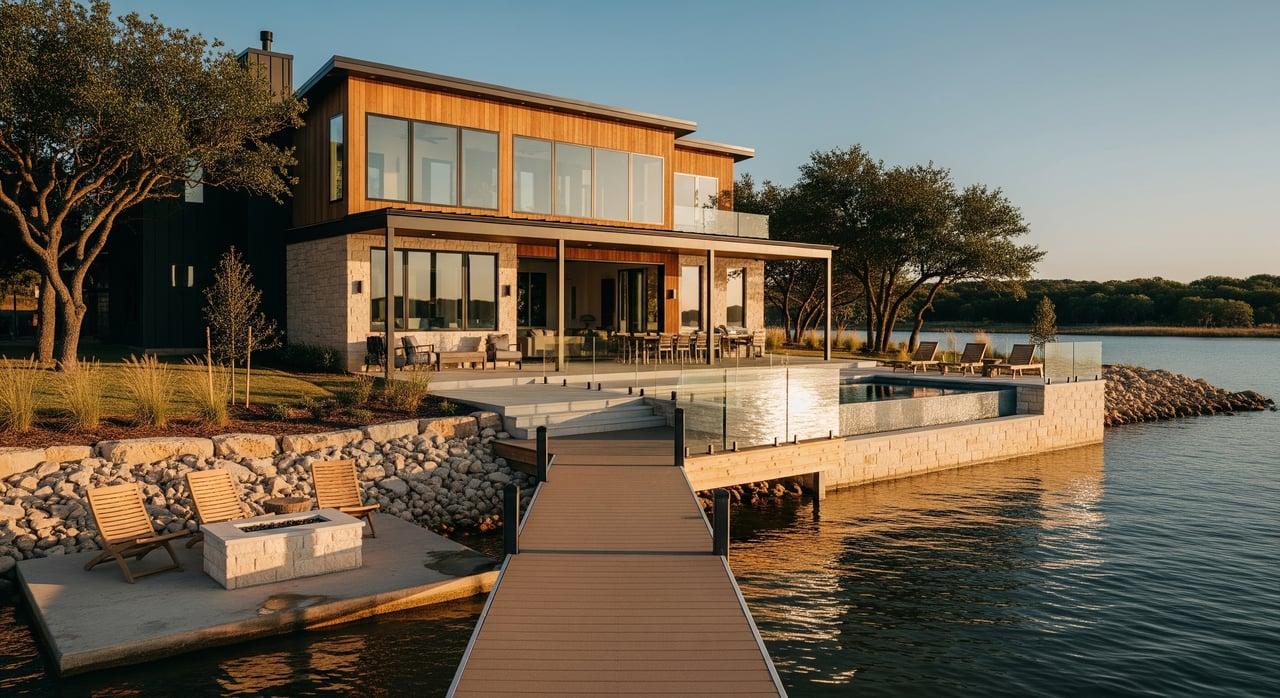
Homes with direct lakefront or assigned dock access tend to command higher rates and occupancy. Properties with three or more bedrooms often attract family groups and larger parties. Outdoor living areas that seat your maximum guest count are big draws.
Amenities that guests search for include:
- Private or assigned dock access, kayak or boat storage
- Hot tub, fire pit, grill station, and shaded deck space
- Fast Wi-Fi and streaming-ready TVs
- Washer and dryer, fully equipped kitchen, and ample parking
- Pet-friendly policies with clear rules and fees
Upgrades and listing appeal
Use durable, easy-to-clean finishes and outdoor-rated furniture. Stage with group-friendly seating and storage for lake gear. Professional photography is essential. Lead with your best lake views, outdoor spaces, and sleeping setups to boost clicks and bookings.
Standardize guest supplies and create a house manual with check-in details, lake rules, local marinas and restaurants, emergency contacts, and area tips. Consistency and clarity reduce questions and help you earn five-star reviews.
Manage it like a pro
Self-manage or hire help
Self-management lowers fees but requires time for guest messaging, turnovers, and maintenance coordination. Full-service property managers in vacation markets commonly charge 20 to 35 percent of rental revenue, often with cleanings billed to guests. Co-host or listing management options can cost less but cover fewer services.
Smooth operations checklist
- Keyless entry or lockbox and clear check-in instructions
- Fast, courteous guest communication before, during, and after stays
- Reliable cleaning team with tight turnover schedules on peak weekends
- On-call maintenance contacts: plumber, electrician, handyman
- Inventory system for linens, supplies, and consumables
Smart marketing strategy
Distribute your listing across major platforms while syncing calendars to avoid double bookings. Write a headline that showcases lake access and sleeping capacity. Lead with eye-catching photos of the dock, water views, and outdoor seating. Cross-promote with local marinas, fishing guides, and restaurants to add value for guests.
Price for the seasons
Build a pricing plan around lake seasonality. Raise rates for late spring through summer plus holiday weekends. Offer length-of-stay discounts for major holiday weeks and adjust minimum nights to balance occupancy and turnover costs. Consider promotions for midweek stays and shoulder seasons to attract anglers and workcation guests.
Monitor booking lead times and pace. If demand spikes far in advance, you may be underpriced. If last-minute weekends remain open during summer, consider rate adjustments or targeted discounts.
Manage lake-specific risks
Weather and water levels can affect docks and shoreline. Review FEMA flood maps and talk with your insurer about windstorm and flood coverage, even if not required by your lender. Keep a storm readiness plan and set aside reserves for dock and shoreline maintenance.
Verify septic capacity for your expected guest count and post usage guidance. Schedule routine inspections and pumping to avoid mid-stay issues. Document dock inspections and keep safety gear in good condition.
Set clear house rules on quiet hours, parking, pets, and water safety. Proactive communication helps prevent neighbor complaints and protects your rating.
Plan your exit upfront
Evaluate your STR results after 6 to 12 months. Compare net income to long-term rental yields and current sales comps. If seasonality or rule changes reduce performance, you can shift to a long-term rental model after checking insurance and loan requirements.
If you decide to sell, a well-run, furnished STR with clean financials can attract investor buyers. Keep organized records of revenue, occupancy, guest ratings, and maintenance logs to support valuation.
Step-by-step launch plan
- Validate demand: review comps, occupancy, ADR, and booking patterns for Cedar Creek Lake and Gun Barrel City.
- Confirm rules: contact the City of Gun Barrel City, Henderson County, and your HOA if applicable.
- Check lake and dock requirements: verify any permits or restrictions for docks and shoreline use.
- Build your pro forma: include fixed, variable, and capital reserve costs. Stress-test for winter and shoulder seasons.
- Line up insurance: secure STR-specific coverage and consider an umbrella policy.
- Register taxes: set up accounts with the Texas Comptroller and any local hotel tax authority.
- Prepare the property: safety gear, durable furnishings, outdoor seating, and group-friendly layout.
- Create your listing: professional photos, detailed amenity list, house rules, and a local guidebook.
- Set operations: cleaners, maintenance contacts, keyless entry, and guest messaging templates.
- Launch and optimize: monitor occupancy, ADR, and reviews. Adjust pricing and policies seasonally.
Ready to explore a vacation rental in Gun Barrel City or buy a lake home that doubles as an income property? Our team offers local guidance, data-driven pricing help, and step-by-step support from purchase to launch. Reach out to The Cole Home Team to talk strategy or request a Free Home Valuation.
FAQs
Do I need a short-term rental permit in Gun Barrel City?
- Check the City of Gun Barrel City municipal code for STR rules, plus Henderson County requirements, and follow any licensing, occupancy, noise, parking, and inspection standards.
What taxes apply to a Gun Barrel City vacation rental?
- Owners generally collect state sales tax and hotel occupancy tax through the Texas Comptroller and any applicable local hotel or sales taxes; register and file as required.
Are lakefront homes more profitable on Cedar Creek Lake?
- Lake access and private or assigned docks often support higher rates and occupancy, but plan for higher insurance, dock upkeep, and capital reserves to protect returns.
Should I self-manage or hire a property manager for my STR?
- Self-management can increase net income if you have time, while full-service managers commonly charge 20 to 35 percent of revenue and reduce your day-to-day workload.
When is peak season for Gun Barrel City vacation rentals?
- Demand peaks from late spring through summer and on holiday weekends, with good shoulder-season weekends in spring and fall; winter is typically slower.
How do I estimate ADR and occupancy for my property?
- Pull comparable listings for size, location, and amenities, then use STR market data tools to model ADR, occupancy, and seasonality, cross-checking with live listings.