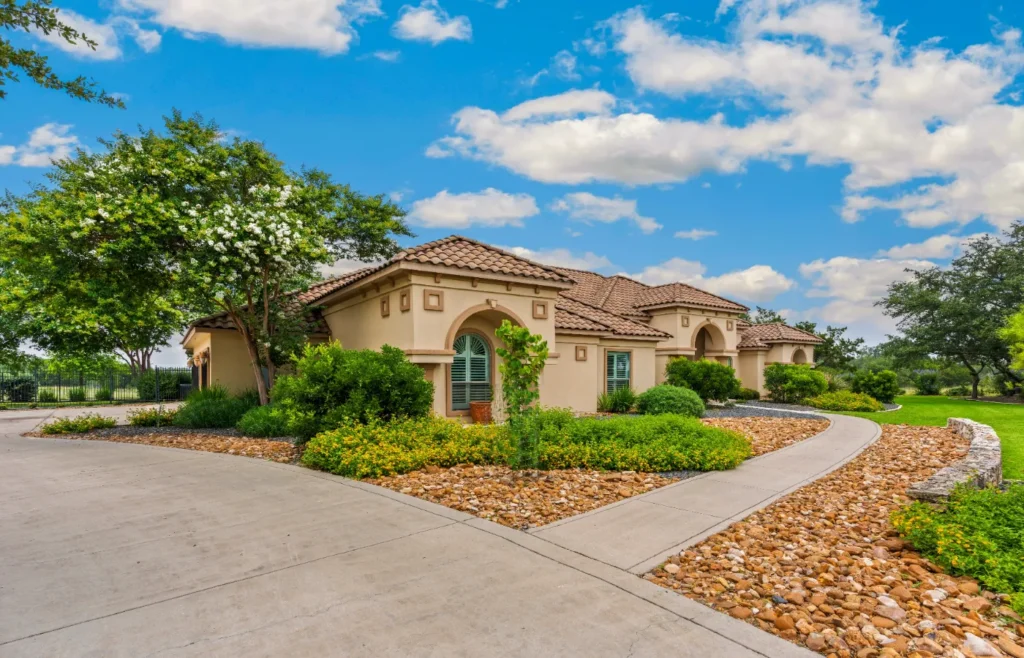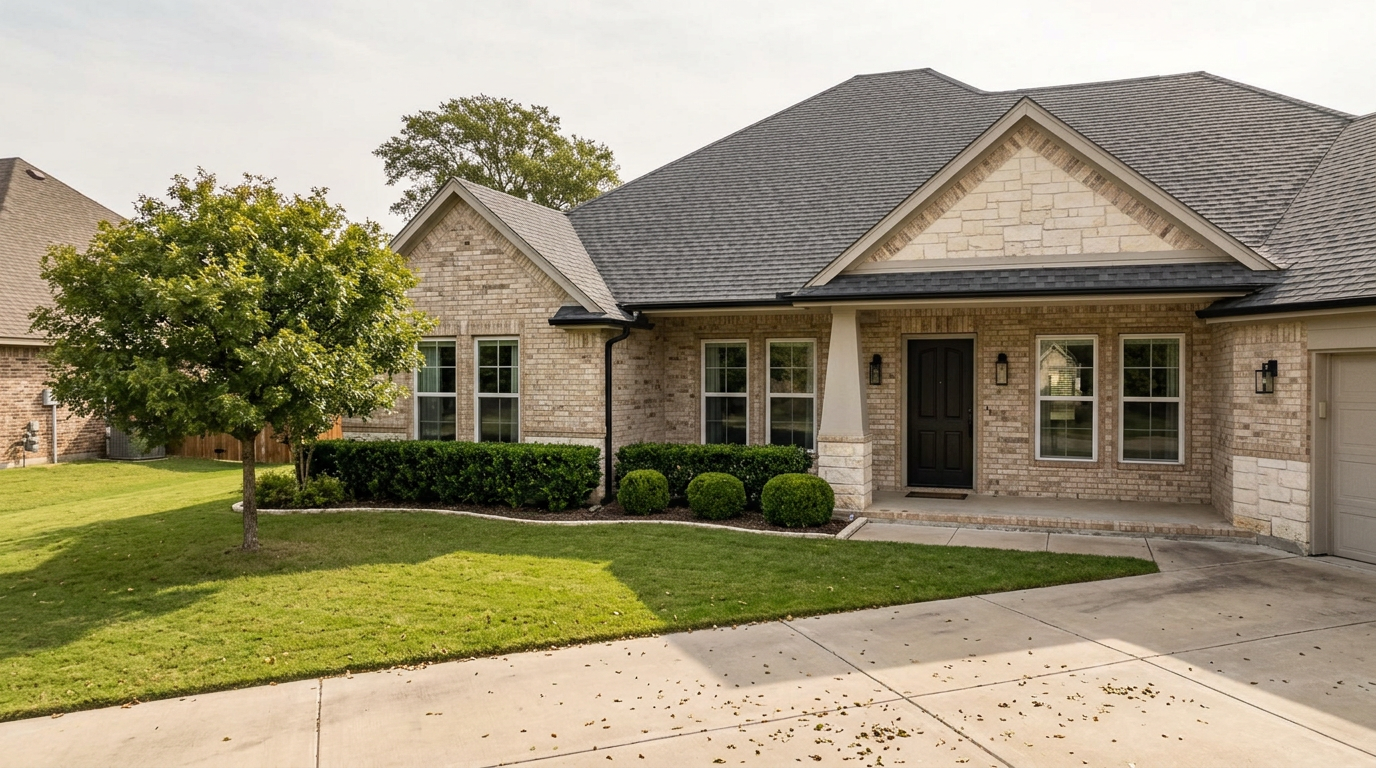
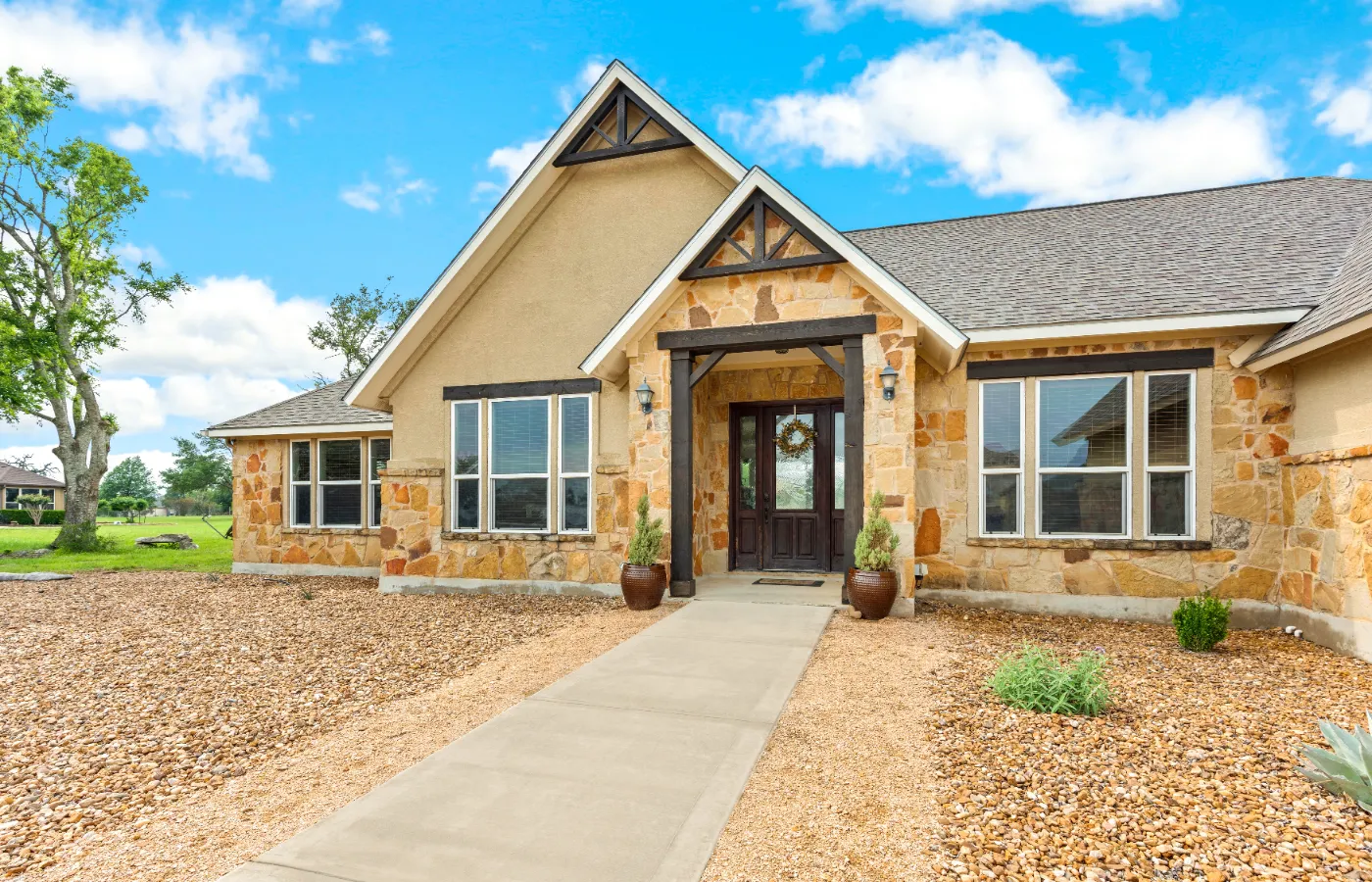
If you have scrolled our past transactions, you have seen it. Every sold home says Price Upon Request instead of a number. Same thing happens on other agents’ sites across North Texas.
That is not us being coy. Texas is a non disclosure state, and what a home sold for is not part of the public record here. Most people assume the opposite, because deeds are public and it is reasonable to expect the price came with them.
Two things worth understanding, then. Where the closed numbers actually live, and what their absence does to the figure you are about to pay or accept. This is also the reason an online estimate on a Terrell or Forney address behaves differently than one in a state that records every sale.
What a Non-Disclosure State Actually Is
Texas does not put the sale price of a home into the public record. Only a handful of states work this way, and Texas is one of them. Everything around the sale is documented. The price itself is not.
What Is Public, and What Is Not
The deed is public. So is the transfer of ownership, the date it happened, and who was on both sides of it. Anyone can look that up.
The appraisal district publishes more. Kaufman CAD, Henderson CAD, Rockwall CAD and Collin CAD will each show you an assessed value, an ownership history, which exemptions are on the property, and a property record card with square footage and year built.
What none of them will show you is a sale price. There is no public source in Texas that finishes the sentence “this house sold for ___.” Not the county, not the appraisal district, not the deed itself.
Why Assessed Value Is Not Sale Price
Because the appraisal district publishes a number, people reach for it. It is the wrong number.
Assessed value exists to calculate a tax bill. It is set through mass appraisal on a schedule, which means the district is valuing thousands of properties at once rather than walking through yours. Exemptions and appraisal caps push it further from anything market-related, and a homestead cap can hold a taxable figure well below where a sale would land.
The practical result: two neighbors in the same floor plan can carry different assessed values for reasons that have nothing to do with what either house would sell for. Pull a CAD figure, treat it as a comparable sale, and you have built your pricing on a tax calculation.
Where the Closed Numbers Actually Live
Closed prices are reported into the MLS. Around here that is NTREIS, and the agents who close a transaction are required to submit it as a condition of participating. That record carries more than the price. It carries the terms, seller concessions, days on market, and what the property looked like when it changed hands.
Access is limited to licensees and governed by MLS rules. That is the whole explanation for why an agent can tell you what a house down the street sold for and a website cannot. It is not skill, it is access. But the access is why a licensed opinion of value and an automated estimate are built from different raw material, and why they can land in different places on the same house.
It is also why our own sold listings read Price Upon Request. We can walk a client through closed prices on their street. We do not publish MLS-sourced sold data to the open web.
Why Automated Estimates Behave Differently Here
An automated valuation model is built to eat large volumes of recorded sale prices and find patterns in them. Feed it a market where those prices are recorded and it has something to work with. Feed it Texas and it has to substitute.
What the Model Is Working With Instead
Assessed values, which are tax figures. Listing prices, which are what somebody asked rather than what somebody paid. Whatever aggregate data the model can obtain. Information homeowners have typed in themselves, of uneven quality.
Every one of those is a stand-in for the input that matters most. Stack enough substitutes and the output is a reasonable guess about a house nobody at the model has seen.
Where the Gap Tends to Widen
Acreage is the clearest case. On a Kaufman County tract, genuinely comparable sales sit miles apart rather than four doors down, and the model has fewer anchors to work from.
Cedar Creek Lake is another. Open-water frontage, canal homes with a lift, and off-water houses a few streets back all trade on separate logic. On much of that shoreline the land under the house is leased rather than owned, which a model has no way to know.
Then there are the homes carrying a MUD or PID assessment. Two houses at the same price in different districts cost different amounts every month, and that assessment does not appear in the listing price.
Anything unusual widens it too. Outbuildings, shop space, a mother-in-law suite, a second dwelling on the lot. None of it fits neatly into a standard field.
Worth noticing which direction that runs. These estimates are closest where homes are most alike and turnover is fastest, which describes very little of Kaufman and Henderson counties.
What This Changes for You
If you are buying, the list price is the only public number attached to the house. Deciding whether it is reasonable takes the closed data behind it, and the option period is where the rest of your verification happens.
If you are selling, a list price is a decision, and the quality of the decision depends on the information underneath it. Starting from an online figure means starting from a substitute for the real input, then finding out over the following weeks whether the substitute was any good.
If you are not transacting at all, an estimate is fine for rough orientation. When there is a real decision attached, refinancing, estate planning, a divorce settlement, a tax protest, that is when to ask for a written opinion of value with the comparables shown.
The honest version: nobody, us included, can hand you a public link proving what your neighbor’s house sold for. Anyone who says otherwise is showing you an estimate.
Questions Worth Asking Before You Trust a Number
This applies whether the number came from a website, a neighbor over the fence, or an agent sitting at your kitchen table. A defensible figure survives being asked where it came from. Ask us the same things.
- Is this built on closed sales or on asking prices?
- Which specific properties were used, and where are they?
- How recently did those sales close?
- How close are they in size, age and condition to this house?
- Was anything adjusted for, and on what basis?
- Does it account for a MUD or PID assessment, if this address carries one?
- On acreage, does it account for the well, the septic system, road frontage and any ag exemption?
- On lake property, does it account for whether the land is owned or leased, and the state of the dock and bulkhead?
- Can I see the comparables, not just the conclusion?
- If two sources disagree, what explains the difference?
Want the Real Number on Your Address?
We will put together a written opinion of value built on closed NTREIS sales, with the comparable properties attached so you can follow the reasoning rather than take the figure on faith. No cost, and no obligation to list.
There is an instant estimate on our home valuation page if you want a starting point today. Treat it as a starting point. We review it by hand before sending you anything you would actually price from.
Buying instead? If there is a specific address in play, we can pull the closed sales on that street before an offer goes in. That is a phone call, not a project.
You can also read how we handle pricing from the listing side in our seller’s guide, see what we have closed across these markets, or start searching the live NTREIS MLS.